
The New Language of Sports Content: Integration, Emotion, and Creative Collaboration
A reflection on how sports content is evolving into integrated, collaborative ecosystems where emotion, platforms and participation shape the future of fan connection.
Teresa Carvi
7/14/20253 min read
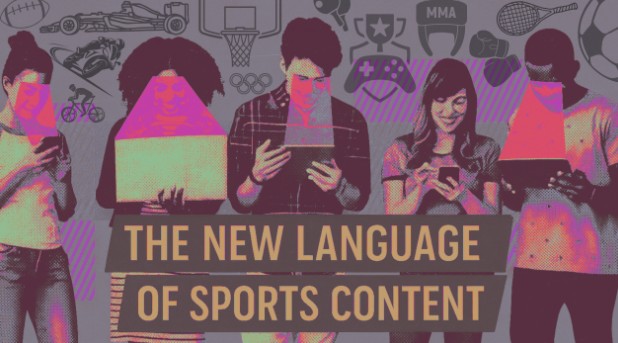
Over the past few months, I’ve had the opportunity to lead the creative development of a powerful content campaign in the sports world. It allowed me to apply everything I believe about how sports content needs to evolve. And more than that: it gave me the chance to create from that place.
For the past few years, I’ve immersed myself in understanding how new generations consume sports, combining data, trends, and intuition. And there’s something clear: We are no longer passive spectators. We are now participants in an experience.
From “watching” to “feeling part of it”
What really connects today is not the spectacle itself, it’s emotional identification. Whether you’re a hardcore fan or someone casually discovering the sport, you stay because something resonates: a player’s story, the music, the energy of a match, the vibe of a show, a behind-the-scenes moment, a shared value, a community feeling.
Today’s audience doesn’t want to be told a story. They want to feel like they’re part of it. And that changes everything—from the pace to the tone, from the format to the platform.
Integration is not optional. It's foundational.
In this recent project, we’ve been creating content for a country where there isn’t a strong pre-existing audience for this sport. That made one thing very clear: to build connection and relevance from the start, using a traditional television format, I needed to integrate elements from multiple content ecosystems, and therefore, from different audience mindsets.
That has been my creative direction.
From there, I’ve designed a content strategy where the main faces of the show are digital creators who can genuinely connect with younger viewers, people capable of narrating the sport's game itself, while also sharing stories that go beyond the game: habits, values, lifestyle. Because that’s where true emotional connection happens.
And of course, the integration of social media isn’t an add-on, it’s essential. Real-time fan interaction has to be into the structure of the show, allowing for a continuous, multidirectional flow between the live broadcast and the platforms where audiences live and express themselves.
In the end, a show isn’t just a show anymore. It’s a living ecosystem, where platforms, formats, personalities and emotions come together in one unified experience.
Platforms coexist.
Not long ago, each platform had its own audience: TV had one group, TikTok had another. Now? Everything overlaps.
According to Nielsen’s 2023 report, over 41% of fans consume sports via OTT, but still use traditional TV too.
Gen Z watches 44% more short-form highlights than in 2020, and 90% of them follow athletes on social media.
In women’s football, TV viewership dropped 35%—but YouTube views grew 154%, and TikTok by the same percentage.
This tells us one thing: the audience isn’t moving away from platforms—they’re multiplying the ways they connect.
Content can no longer be designed for one platform only. The new approach is transversal, integrated, and collaborative.
Creation through collaboration
What truly inspires me is that this new era of content is not about being louder—it’s about being more connected.
Collaboration is not just a trend, it’s a necessity. Between platforms. Between creators and athletes. Between production and social teams. Between brands that align with values, and voices that amplify meaning.
And when it works, something magical happens: You stop “delivering” content and start creating living ecosystems. Places where fans feel seen, invited, engaged.
Final thoughts
This campaign reminded me that creativity today is not about starting from scratch. It’s about weaving together everything we already have:
📺 Production. 📱 Platforms. 🧠 Ideas. 🎤 Voices. ❤️ Emotion.
That’s what I’ve built in this latest project. And that’s where I believe the future of content in sport truly lives.